Our plumbers are the specialists in drains, down pipes, sewers and storm water systems in Brisbane, Ipswich and the Gold Coast – it’s all we do.
Blockages in your drains can arise from a variety of sources, and understanding the causes can help you prevent future issues. Here’s a closer look at some of the most common culprits:

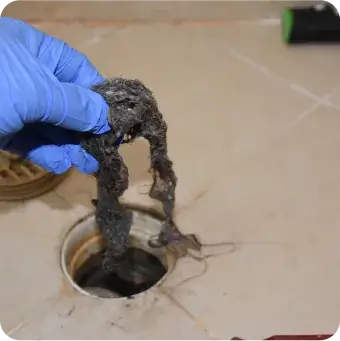
Most plumbers will agree that hair is one of the most frequent causes of blockages in the bathroom, particularly with shower and bathtub drains.
Hair tends to accumulate overtime, and keeps soap residue and grease locked in to form sticky clogs in your bathroom drains that restrict water’s flow.

Also known as fats, oils and grease. When substances from this group are poured down the drain and cool, they solidify and stick to the walls of your drain pipes. Overtime they build up and restrict the flow of wastewater.
They can also form a ‘fatberg’ in your sewer system, which is a large solid mass of fat. It’s a big problem for both home and commercial kitchens.

This is one of the most common causes of kitchen sink blockages. Food particles such as rice, pasta, coffee grounds, and fibrous vegetable scraps can expand or congeal when flushed down the drain, leading to significant blockages.
These materials can also accumulate over time, usually alongside FOGs, and create a clog that obstructs water flow. Sink drainers and proper disposal of food scraps is important to prevent these blockages.

Mineral deposits, particularly from hard water, are a notable cause of drain blockages, especially in areas with high mineral content in the water. These deposits, often composed of calcium, magnesium, and other minerals, accumulate on the interior surfaces of pipes over time.
This buildup (commonly known as limescale) narrows the diameter of the pipes, reducing water flow and eventually leading to significant blockages. Preventing these blockages typically involves installing water softeners, which reduce the mineral content in the water.

Strong storms bearing heavy rain can pick up and move leaves, twigs, and debris and quickly overwhelm gutters, downpipes, and the wider stormwater system.

The biggest and most damaging ‘unflushables’ for sewer blockages are wet wipes and menstrual absorbent products.
The reason why they are so damaging is these products accumulate fats, oils and grease (FOGs) which contribute to the creation of severe blockages or ‘fatbergs’ in the sewer system.

Mature trees and clay sewer pipes can form a terrible recipe for disaster.
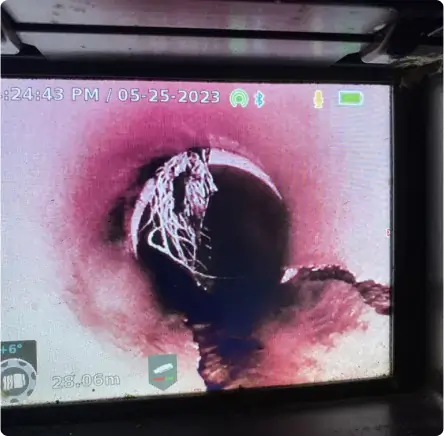
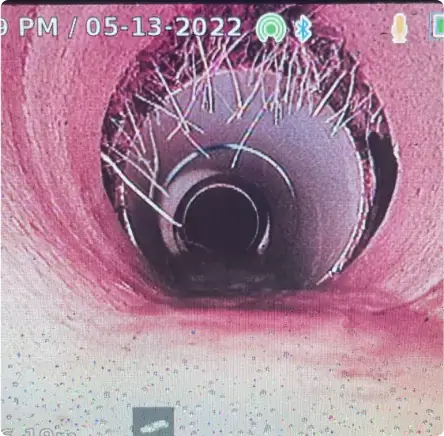
Tree roots can dislocate, crack and invade sewer pipes and cause slow drainage, backflow, or bursts from pressure build up across the other drains in your building.

This is one of the leading causes in burst pipes, Australia-wide.
Ageing infrastructure as well as blockages can increase this pressure, and cause cracks or eventually a pipe burst
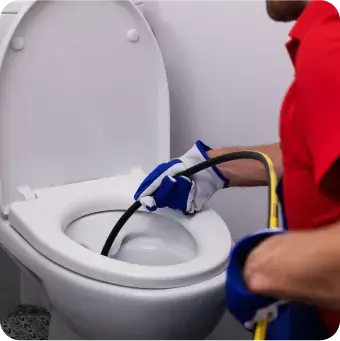
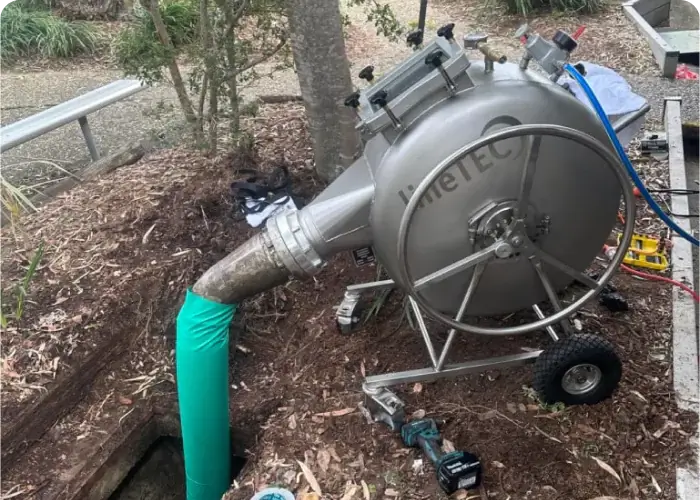
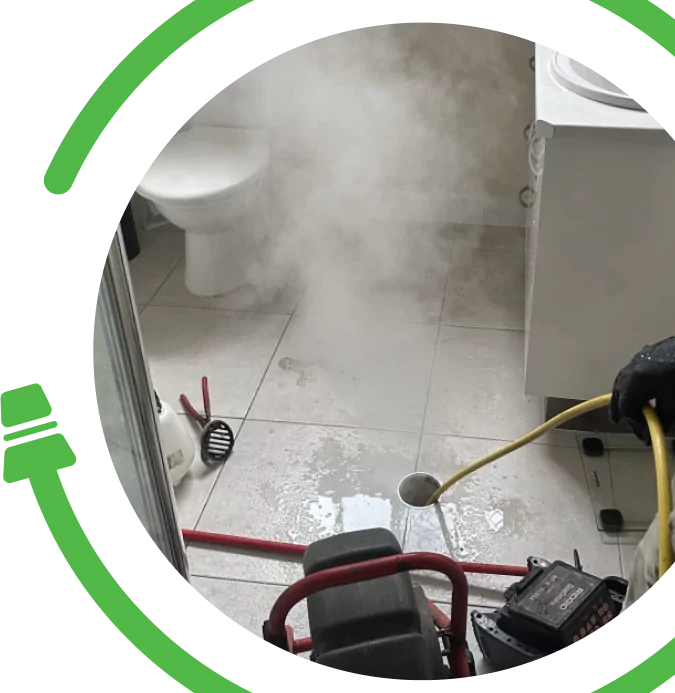
Experience the pinnacle of blocked drain solutions with our innovative technology and tools. We combine precision, power, and cutting-edge methods to tackle even the most stubborn drain issues. Our team leverages the latest advancements—from CCTV inspections to hydro jetting and electric eel technology—to deliver results that last. Discover how our technologically advanced approach ensures your drains are clear, secure, and fully functional:
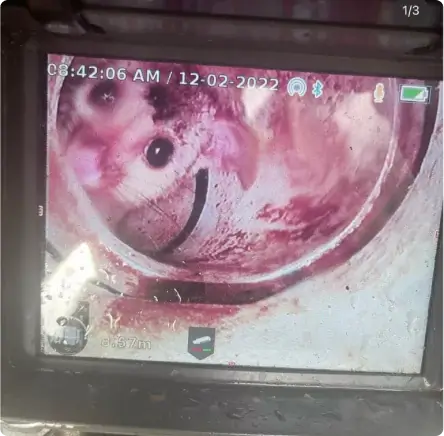
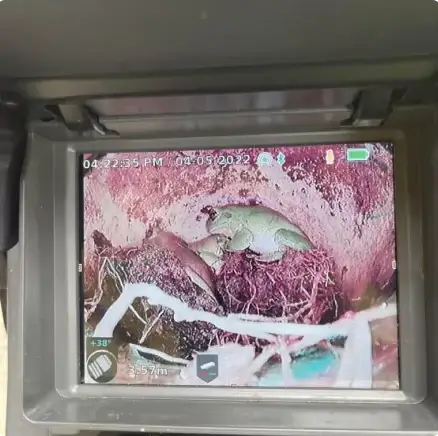
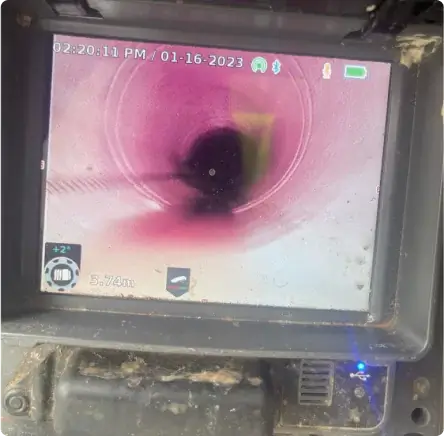
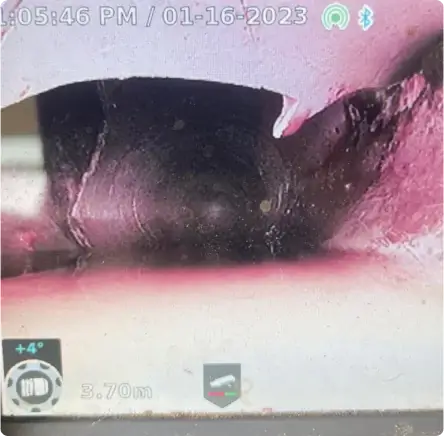
Pinpoint accuracy with advanced CCTV inspections. This is how we identify issues deep within your drains to ensure effective, targeted solutions.
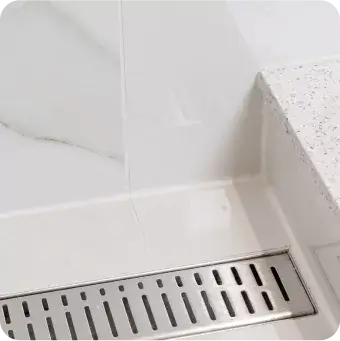
The most common drain blockages indoors usually come from bathrooms, laundry, and kitchen. However, blockages can also happen in drains connected to your washing machine, dishwasher, or your floor. These drains are normally smaller and more intricate than outdoor drains, bringing some added challenges.
Blockages from sinks, basins and tubs. Usually caused by food, grease, oil, minerals, hair and soap scum.
Explore our gallery or follow us on Social Media to see SEQ Blocked Drains in action. Here, you’ll find images and videos showcasing our specialised work, from detailed CCTV drain inspections to the precision of our pipe relining and jet blasting services. Each photo and video reflects our commitment to excellence, environmental care, and community service.
Our drain patching service is designed to target specific areas of damage within your drain without the need for extensive excavation. Using advanced materials, we apply a specialised patch to the affected section of the pipe, sealing cracks and preventing leaks. This method not only extends the life of your drain but also ensures that the repair is durable and reliable, all while maintaining the integrity of the surrounding environment.
SEQ Blocked Drains is at the forefront of these innovations in Brisbane, Ipswich and the Gold Coast. Don’t settle for outdated repair methods. Reach out to SEQ Blocked Drains and discover the future of pipe repair today.
Whether it’s a stubborn blockage or a routine check, SEQ Blocked Drains has the cutting-edge solutions to keep your pipes flowing smoothly. Call us now for fast, expert service and let our skilled team handle your drain problems with ease. Don’t wait—clear your drains and enjoy peace of mind!
Signs of a blocked drain include slow drainage, unpleasant odours, gurgling sounds from your pipes, or water pooling in your sinks or showers. If left untreated, these can lead to bigger plumbing issues.
First, try using a plunger or drain cleaner. If that doesn’t work, it’s best to contact a professional like SEQ Blocked Drains to avoid damaging your pipes.
This depends on your policy. Some insurance plans cover sudden or accidental damage, but regular maintenance is usually not included. It’s best to check with your insurer.
CCTV drain inspection is a non-invasive way to check the condition of your pipes. We use a small camera to inspect deep within your drains, helping us pinpoint the exact cause of any blockage or damage. Learn more about this technology on our CCTV Inspections page.
Yes, tree roots can invade your sewer pipes, causing cracks, blockages, or even bursts. This is more common with older pipes made from clay or concrete. Regular inspections can help detect these issues early. Learn more about this issue on our Tree Roots page.
To avoid blockages, use drain strainers, avoid pouring fats or oils down the sink, and regularly clean your drains. Scheduling professional maintenance can also help prevent buildup before it becomes a major issue.
For prevention, we recommend a professional drain inspection at least once a year, especially if your property has old pipes or trees nearby.