
Drainage specialist with
over 25 years experience

Sewer & Drain Pipe Relining Brisbane

Trenchless relining seals a failing sewer or drain from the inside, so your driveway, gardens and slab stay exactly where they are.

What Is Sewer Pipe Relining?

A cracked or root-affected sewer line doesn’t always mean a trench through the garden. Relining repairs the pipe from the inside instead, no dig, no reinstated paving, no torn-up lawn.

The process uses CIPP, cured-in-place pipe. A resin-saturated liner goes into the damaged section and cures against the existing pipe wall. What comes out the other side is a new, jointless pipe sitting inside the old one. It holds structural strength that meets AS/NZS 3500.

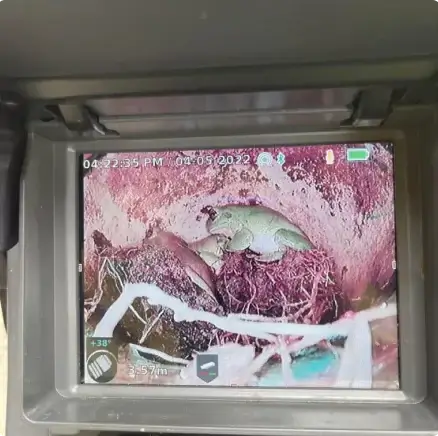
We check first, though. Before any reline gets recommended over a dig-up, a CCTV camera goes down the line to confirm the pipe’s actual condition — cracks, root intrusion, corrosion, wherever the damage sits. SEQ Blocked Drains holds QBCC Licence 15406825 and works across Brisbane and the Gold Coast.

Clay, cast iron, and PVC, the method applies across all three.

Why choose

SEQ Blocked Drains for Sewer Pipe Relining

Sewer relining is a trenchless repair, not a dig-up job. It’s what we specialise in, not a sideline to general plumbing, and that focus shows in how we diagnose and fix a damaged line.

Trenchless Experience

17 years spent relining Brisbane’s clay and cast iron sewer lines, from established suburbs to reactive-soil areas across Logan and Ipswich. That experience shapes how we read a line before quoting.

CCTV Diagnosis First

A pan-and-tilt camera confirms the damage before any quote is written, root intrusion, corrosion, or an offset joint, so the repair matches what’s actually wrong.

Relining vs Replacement

We recommend relining where the pipe structure holds, and replacement where it doesn’t. That call gets made on condition, not on what’s easier to sell.

What Determines the Cost of Pipe Relining?

Sewer pipe relining cost isn’t a flat rate per metre; it’s shaped by what the camera actually finds. A wider stormwater line needs more resin and a longer cure time than a standard domestic sewer, and every junction or bend along the run adds to the installation.

Access counts too: a pipe under an established garden costs less in disruption than one buried deep or hard to reach. Sometimes a single cracked section only needs a patch; root intrusion running the length of a clay line is a different job entirely. None of this gets guessed over the phone; a CCTV survey shows the actual damage, and the quote follows what’s really down there.

Sewer Pipe Relining Process

A sewer pipe relining job runs through four stages, camera to camera, so the finished pipe is checked against what was actually found underground.

CCTV Inspection

Pan-and-tilt cameras run the pipe’s full length first. Anything from a hairline crack to a root breach shows up on screen.

Assessment & Quoting

Findings from the inspection shape a written quote, covering the extent of damage and whether relining suits the pipe better than replacement.

Liner Installation & Curing

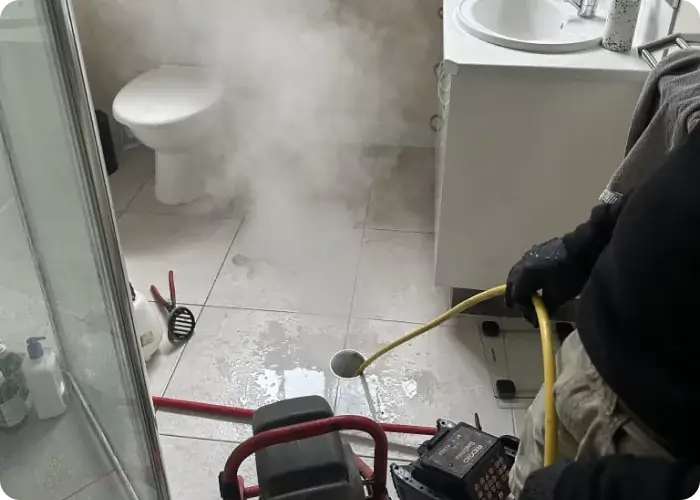
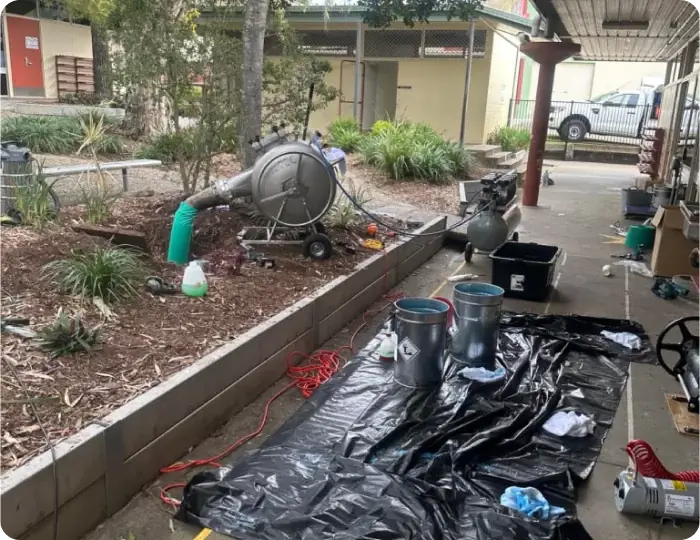
A resin-coated liner is fed into the pipe, positioned over the damaged section, then cured with hot water, steam or UV light until it forms a new pipe inside the old one.

Final Inspection

A second CCTV pass confirms the liner has cured correctly, and the sewer line is fully sealed before the job is signed off.

Benefits of Sewer Pipe Relining

Value Over Time

Costs more upfront than a patch. Skip the landscaping repair and the downtime, though, and it tends to even out, with fewer repeat call-outs down the track.

Built to Last

CIPP resin cures into a pipe wall built for decades of normal household use, root intrusion and general wear on that section stop being a recurring problem.

Cost-Effective

While the initial cost of sewer relining may be higher than traditional methods, the savings on landscaping restoration and reduced downtime often make it a more cost-effective option in the long run.

Broad Repair Scope

Cracks, corrosion, root intrusion, offset joints, and relining cover most sewer pipe damage across clay, cast iron, and PVC, on residential and commercial properties alike.
When Is Sewer Pipe Relining the Right Choice?

Not every damaged sewer line needs full replacement; relining suits several common repair situations, covered below.

  • Root Intrusion- Roots crack pipes searching for moisture; relining seals them without digging up the yard.
  • Cracked or Leaking Pipes- A hairline crack doesn’t need excavating. The liner seals it from inside, and the leak stops at the source, not somewhere further down the line.
  • Corroded Pipes- Older cast iron and clay lines weakened by corrosion gain a new structural layer, without replacing the pipe outright.
  • Preventative Reinforcement- Ageing cast iron and clay lines fail eventually. Catching it early, especially under a driveway or slab, is cheaper than an emergency dig-up.

Not Sure If Your Sewer Line Needs Relining or Replacement?

Book a CCTV inspection. The camera goes down the line and shows the actual condition of the pipe, and that’s what the quote gets built on, reline where the structure holds, replace where it doesn’t.

Frequently Asked Questions

Depends on the pipe, honestly. A short residential run without much else going on can be done in a day, camera work included. Add length or a tricky access point under the house, and that day can stretch to two. The liner needs proper cure time, full stop. Turn the water back on too soon, and the whole job's compromised.
Not on that line, no. The resin needs to cure without water running through it, so that section's off for the day. Second bathroom on a different line? Different story, we'll check when we scope the job.
Once a pipe's collapsed, crushed, or corroded through, there's nothing left for the liner to bond to. That calls for replacement instead. We check for this during the CCTV survey, before any quote goes out. A line on a pipe in that state wouldn't last.
A little. The liner adds a thin layer inside the existing pipe wall. In practice, it rarely affects flow on standard household lines, because aged clay and cast iron pipes are rougher inside than the cured CIPP lining we install. If you're on a particularly long or narrow run, flag it before the survey. We'll factor it into the assessment.
Recurring blockages in one spot. Gurgling drains. A damp patch on a ceiling below where the line runs. Some homeowners notice a sewage smell after rain, while others just notice a patch of lawn that won't dry out even in a dry spell. Most of the time, it's a root intrusion on an older line, but not always.