Drainage specialist with
over 25 years experience

Pipe Relining Melbourne

We repair cracked sewer and stormwater lines from the inside, without digging up the driveway to reach them. Camera-verified before and after. Most Melbourne pipe relining jobs finish in a single day.

Trenchless Pipe Relining Across Melbourne

Pipe relining repairs a damaged drain from the inside. A resin-saturated liner is fed into the existing pipe and cured hard against the old wall, forming a new structural pipe inside the host. The method suits the earthenware sewers laid under Melbourne’s pre-1970s suburbs, where clay joints have opened, and tree roots have followed the moisture in.

We handle sewer pipe relining and stormwater pipe relining across the metro area, from single patches to relining sewer pipes end to end, all installed by licensed drainage plumbers.
Why choose

Why Melbourne Properties Book Their Relines With Us

This is the drain relining Melbourne homeowners typically book after the second or third blockage on the same line. Diagnosed on camera, documented at both ends of the job.

One visit, most jobs

Jetter, camera and lining gear travel on the same truck, so diagnosis and repair usually happen in a single booking.

Proof on file

Pre-lining and post-cure footage comes to you with the invoice. If the drain is questioned at sale or settlement, the evidence exists.

Built for Melbourne ground

Reactive clay soils in the west and north shift old earthenware lines at their joints. We see the same failure patterns weekly, and line them for them.

Why We Inspect Before We Quote

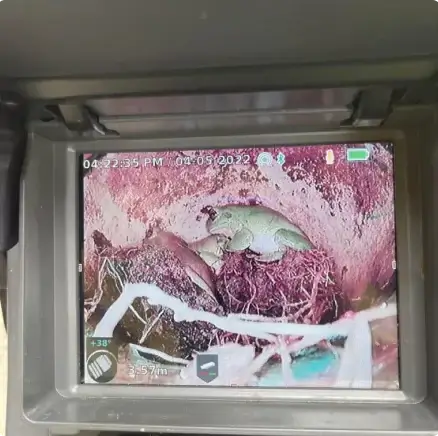
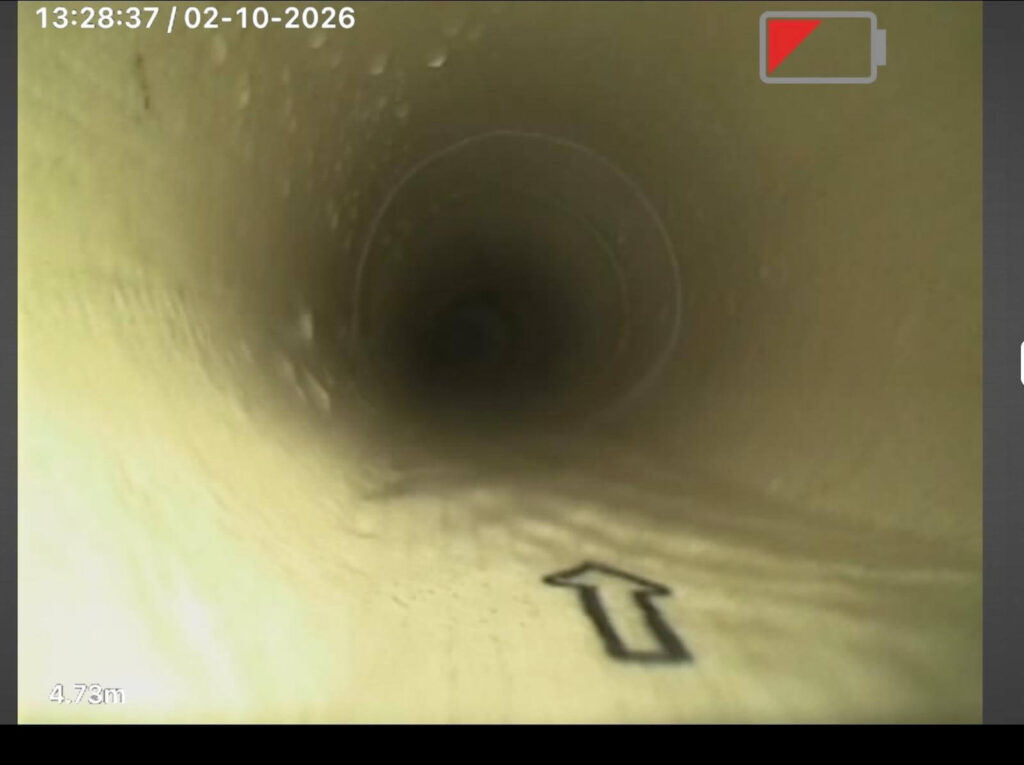
A recurring blockage tells you the line has a defect. A pan-and-tilt CCTV camera tells you where it sits and what it looks like: a cracked barrel, or a root mass pushing through a displaced joint. Quote without that footage and you’re guessing at liner length and access, and guesses get padded. Once we’ve located the defect and measured the chainage, the price is fixed. The inspection also rules jobs out. A line with significant back-fall won’t hold grade after lining, and you should hear that on day one from the person holding the camera.
Pipe Relining vs Pipe Replacement

Replacement digs the old pipe out and lays new PVC in its place. Under open lawn with shallow cover, that can be the cheaper option, and we’ll say so when it is. Once the line runs under a driveway or a slab, reinstatement becomes the biggest item on the invoice. Trenchless pipe relining handles the same underground pipe repair through existing access points, so the surface stays put, and the cured liner runs smoother than the pitted clay it covers. Replacement still wins on fully collapsed or badly back-falled lines.

Signs Your Drain Needs Relining Rather Than Another Clear

A drain that blocks every few months is drawing you a map. A jetter clears the root mass, the symptoms ease, then the roots regrow through the same opened joint and the cycle restarts, usually a little faster each time. On camera, the giveaway is fine root hair re-entering at a joint, or water pooling where a section has dropped. A clear treats the symptom. A reline at the defect closes the entry point, and the pattern stops. If your plumber has been out twice for the same blockage, ask for the footage and a drain relining price against it.

Our Pipe Relining Process

Here’s how pipe relining works on a typical domestic sewer.

CCTV Inspection

The camera goes in first. Nothing gets quoted until we’ve seen the defect at its chainage.

Jet clean

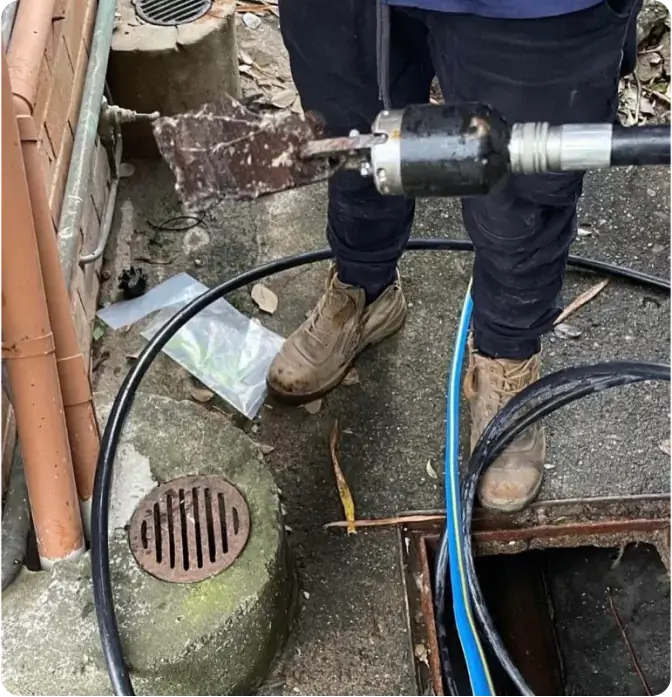
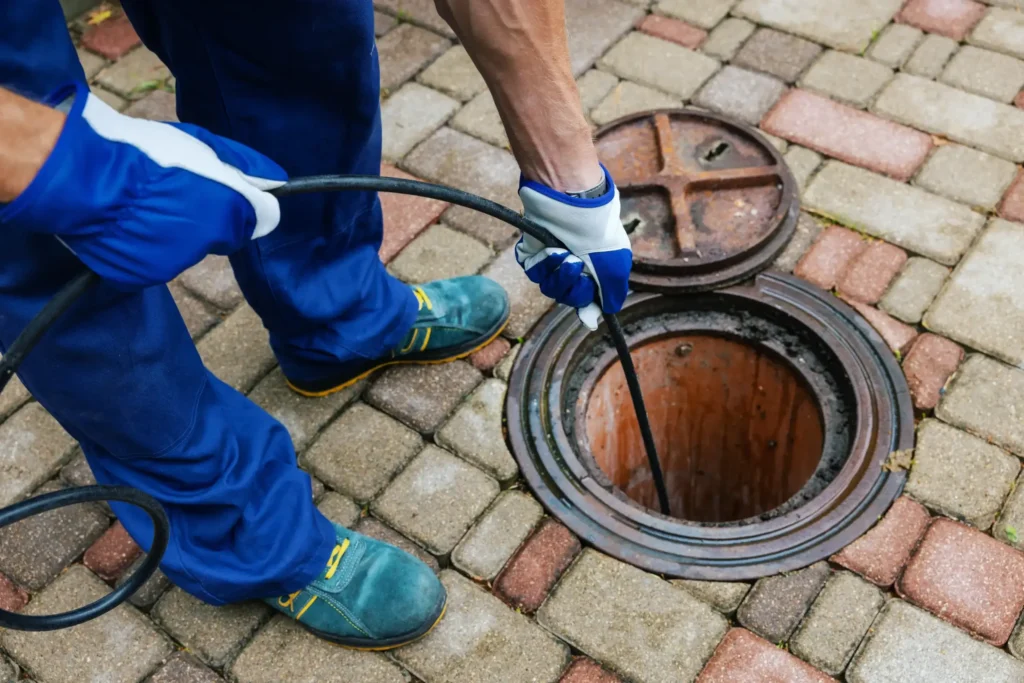
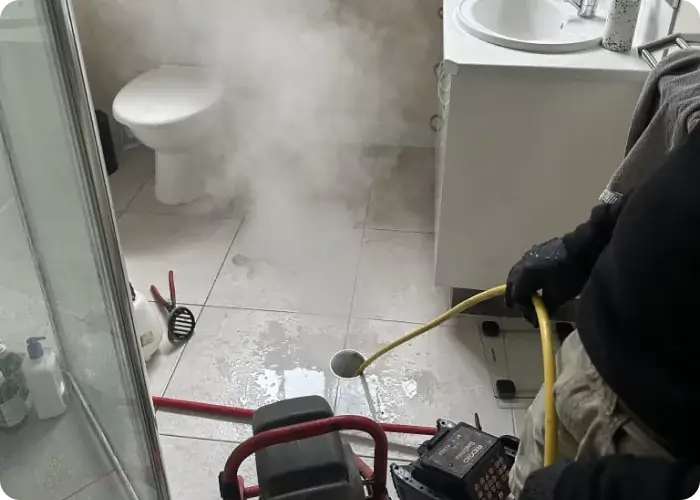
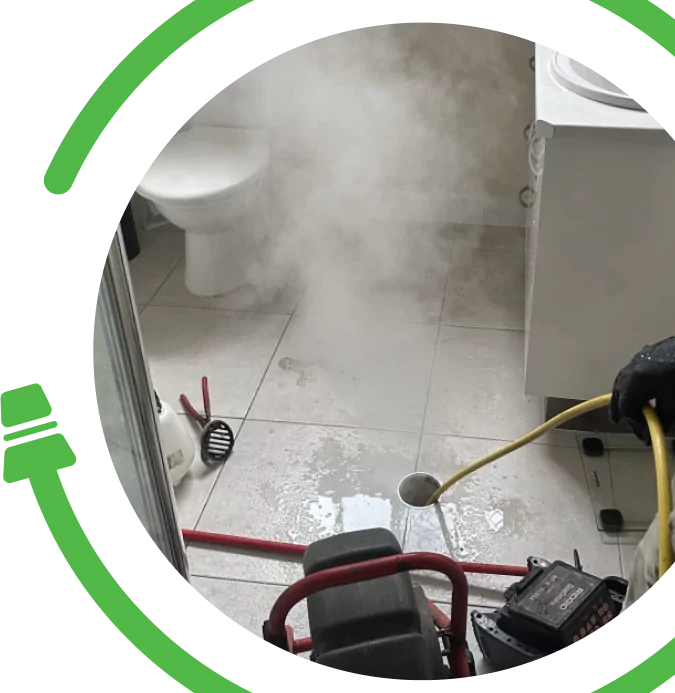
High-pressure water jetting strips grease and silt off the pipe wall, and robotic cutters take out any root mass. The liner needs a clean pipe to bond to.

Installation

A resin-impregnated liner is winched or inverted into place across the damaged section, measured off the inspection footage.

Cure

The liner sits under pressure while the resin hardens. This is CIPP pipe lining, cured in place, ambient or hot-water depending on the system.
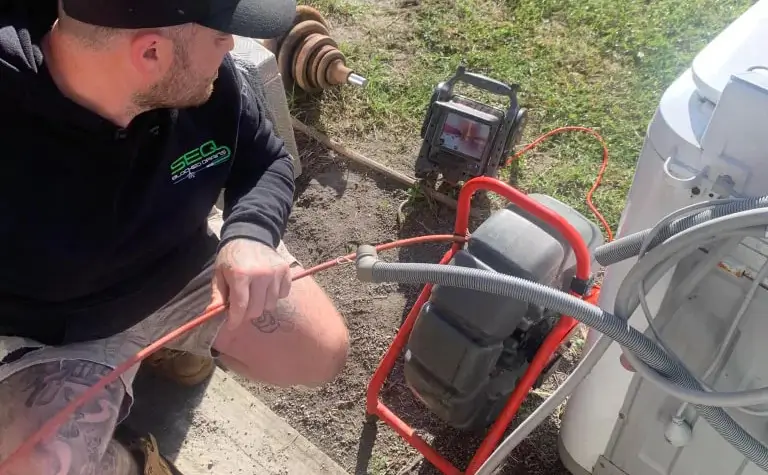
Final pass

A second camera run confirms the finish before we leave the site.
Benefits of Pipe Relining

Why Relining Beats Digging Up the Pipe

Trenchless pipe relining fixes the problem without touching your yard, driveway or landscaping. The repair happens inside the existing pipe, through a single access point instead of a trench.

No Excavation Required

The repair runs through one access point. Nothing above the pipe gets touched.

Built to Last

The cured resin liner forms a new pipe wall inside the old one. It carries a 50-year product warranty.

Works Across Most Pipe Types

Whether it's a sewer line, a stormwater drain or general plumbing, relining handles hairline cracks and root intrusion equally well.

Fewer Repeat Call-Outs

A properly cured liner seals the entire damaged section in one pass. That beats patching a single spot and waiting for the rest of the line to fail.
Patch Repair vs Full Length Relining

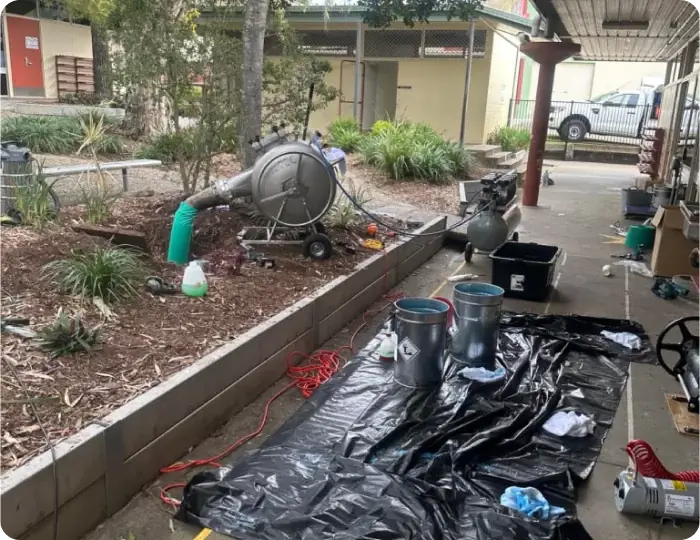
A single crack at a known chainage suits patch relining pipe repairs: a short liner cured over the one defect. Multiple defects along the run, or a pipe failing generally, calls for a full-length reline. The camera footage makes the call, and we’ll show you why.

Book a CCTV Drain Inspection

Send through the address and a note on the symptoms. We’ll camera the line and walk you through what we find, with a fixed quote to follow. Call now or book online.

Trenchless Pipe Relining FAQs

Length and diameter drive most of it. A short patch over one crack sits at the low end, since patch relining pipe repairs use less liner and less cure time than a full-length job. Access and any root cutting add labour. We price from CCTV footage, fixed, so the quote is the cost.
Relining is one type of trenchless pipe repair, and by far the most common on Melbourne sewers. The trenchless family also covers pipe bursting, where a new pipe is dragged through the old one. You'll also see relining sold as drain resleeving or no-dig pipe relining; the method underneath is the same.
Roots enter at joints and cracks, and a cured liner has neither, so the lined section stays sealed. They can still find an unlined joint further along the run. The final camera pass checks the whole line for exactly that reason, and it's how some patch jobs become full-length relines on the spot.
Sometimes. A partial collapse, where the camera can still pass, can often be reopened with robotic cutters and then lined. A full collapse blocks the liner's path, and that section gets excavated. Most "collapsed" drains we attend turn out to be dense root masses, which a jetter and trenchless sewer pipe relining handle without a shovel.
Most single-run domestic relines are done in a day, including the cure. A hot-water cure shortens that window. Longer runs and larger stormwater diameters can stretch to two days, spiral relining included. The drain is out of service while the liner cures, and we'll give you that window before we start so the household can plan around it.