

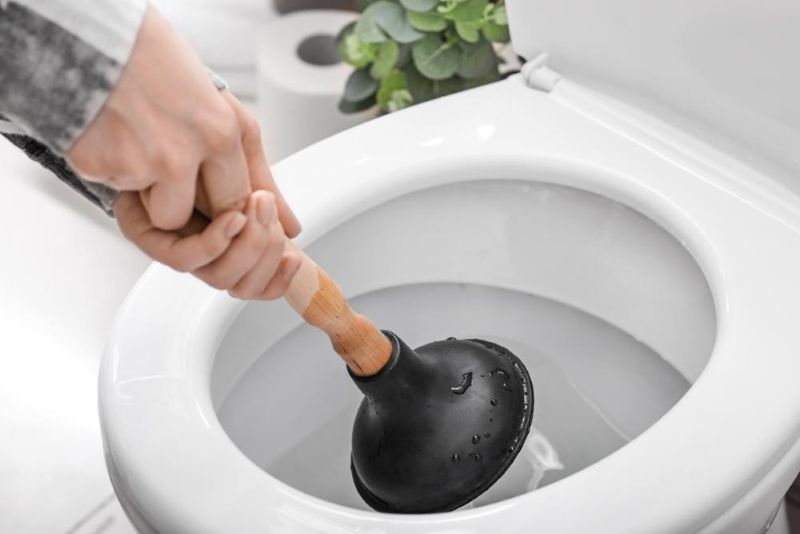
That gurgling sound coming from the toilet bowl isn’t random. It’s the drainage system telling you airflow is disrupted somewhere between the fixture and the sewer connection. The noise itself, bubbling after a flush, gurgling when the shower drains, water level rising and falling on its own, is negative air pressure finding the nearest exit point. Which happens to be your toilet.
In South East Queensland, the causes follow a predictable pattern. Pre-1980s housing stock across inner Brisbane, Logan, and Ipswich carries original clay and earthenware sewer lines. Mature tree canopies line most of the established streets. Summer storm surges push stormwater systems hard.
Walk the older streets of Paddington, Annerley or Woodridge and you’re walking over clay sewer pipes that went into the ground during the Whitlam era. Those pipes crack. The reactive clay soil around them swells every wet season and contracts through winter. The jacaranda planted as a street tree in 1975 has been following that moisture for fifty years. A gurgling toilet in these suburbs has a specific physical explanation, and a CCTV camera in the right section of the line will find it.
How a Gurgling Toilet Happens in the First Place
Drainage relies on two things working together. Water flows down through the pipe under gravity. Air moves into the system from above, through the vent stack that runs out through your roof. That airflow replaces the volume of water leaving the line, which keeps pressure balanced as everything drains.
Block any part of that loop and the pressure stops balancing. Trapped air moves toward pressure relief. In a plumbing system where the vent stack is compromised or the main line has a developing obstruction, that relief point is the toilet trap, the water-sealed bend at the base of the bowl. The air pushes through the water and breaks the surface as bubbles. That is the gurgling sound. Where the obstruction actually sits in the system determines which fixture surfaces the symptom first, and diagnosis depends on reading those symptoms as location signals, working backward from the fixture to the source.
When the Toilet Gurgles After You Flush
This is usually the closest problem to the fixture, a partial blockage in the toilet branch line between the bowl and the main drain.
Excess toilet paper, wet wipes (including the ones the packet claims are flushable, they aren’t, and we pull them out of lines regularly), sanitary products, and foreign objects all restrict flow without necessarily stopping it entirely.
A partial blockage slows the drain without stopping it. Back pressure builds in the branch line as the flush volume meets the restriction, and that pressure reverses back through the toilet trap. The bowl fills higher than expected. The flush takes longer to settle. A homeowner plunging the same toilet every fortnight has a recurring partial obstruction, and clearing it again produces the same two weeks of relief before the gurgling returns.
A good flange plunger will shift a soft blockage close to the trap. What it won’t do is clear anything further down the branch, and it won’t tell you what’s in there. The obstruction that made a toilet gurgle last month and block again last week relocated when you plunged it. It moved. Further along the branch line, it settled and accumulated new material until the pipe narrowed back to the same point. Running a camera down the line finds the location so the repair targets it directly, and the cycle stops. Recurring blocked drain symptoms on the same fixture are a referral for a CCTV inspection of the sewer below, not another plunging session.
Chemical drain cleaners make this worse, not better. Most of the products on the shelf are caustic enough to degrade older PVC fittings and earthenware pipe joints, which is the last thing you want in a pre-1980s SEQ property where those joints are already under stress.
When the Toilet Gurgles When the Shower Drains, or When You Run Water Elsewhere
This one points away from the toilet entirely.
If flushing the toilet makes the shower drain gurgle, or running the bathroom basin makes the toilet water level move, you’re dealing with a shared venting problem. In many SEQ homes, particularly those built before AS/NZS 3500 standardised venting requirements, the toilet, shower, and basin share a common vent arrangement, a configuration called wet venting.
When a partial blockage forms anywhere in the shared section of that system, air starts moving through whichever fixture isn’t being actively used. Run the shower, and air exits through the toilet. Flush the toilet, and the shower drain gurgles.
The blockage causing this might be:
- Hair and soap scum at the shower waste (remove the strainer and check before calling anyone)
- A debris buildup in the shared branch line
- A partially obstructed vent stack reducing airflow across the whole wet-vented group
- The early stage of root intrusion in the main sewer line below
The first two you can investigate yourself. The last two need a CCTV camera in the line to confirm.
Blocked Vent Stack: The Cause Nobody Checks First
The vent stack exits through the roof, which means most homeowners never think about it. That’s exactly why vent blockages go undiagnosed for months.
In SEQ, the specific culprits are predictable. After a summer storm, leaf debris and seed pods from jacarandas, poincianas, and figs collect at the vent opening. Bird nests go in during spring. Possums investigate roof penetrations year-round. In properties with older terracotta or galvanised vent pipes, the pipe itself can partially collapse at the roof junction.
A blocked vent stack drags down performance across the whole house. Multiple fixtures start draining slowly. Sewer gas drifts in and out (the smell gets worse after rain because ground pressure shifts and forces gas back through compromised traps). A bird nest in the pipe produces bathroom symptoms that look like a blocked drain from inside the house, and the gurgling continues through every plunge because the restriction sits in the air circuit above the drain, feeding back pressure into the bathroom plumbing. When that pattern shows across two bathrooms at once, the licensed plumber goes to the roof with a purpose-built rod, clears the pipe from above, and checks airflow before signing off. Queenslander rooflines across Brisbane’s inner suburbs are steep, and this is a job requiring proper equipment and roof access experience.
Main Sewer Line Blockages
We ran a camera down a main sewer line in Annerley last year after a homeowner called about a gurgling toilet. What we found was a fatberg sitting in the horizontal section under the kitchen, cooking fat from the sink, built up over years, had narrowed the pipe to about a third of its original diameter. The toilet was the last fixture in the chain to show symptoms. By that point the kitchen sink and laundry tub were already draining at half speed. A 4000 PSI jetter cleared it in forty minutes. Main sewer line obstructions work that way: the whole house slows at once, and the gurgling toilet is the last confirmation before the backup.
That last symptom is the clearest signal. Water backing up into other fixtures when the toilet is flushed means the main line can’t handle the surge volume. It’s finding somewhere else to go.
The causes in SEQ main lines follow a pattern based on property age:
Pre-1970s properties almost always have original clay or earthenware running out to the sewer connection. These older lines crack at the joints over time, particularly where reactive clay soil under the house shifts with the wet-dry cycle of SEQ summers and winters. Hairline fractures open up at pipe junctions. Roots find them.
In properties from the 1970s through to the early 2000s, PVC lines are more common, but junction failures, sags from soil movement under Logan and Ipswich clay, and grease buildup from years of kitchen use all appear on CCTV.
Grease and fat deserve a specific mention. Oil poured down the kitchen sink while liquid cools and solidifies on the pipe wall below. Over time it accumulates and causes a dense restriction that narrows the line and catches everything that passes. This type of blockage is almost always in the kitchen branch or the horizontal section of the main drain closest to the kitchen. A 4000 PSI water jetter clears it. A plunger does nothing.
Tree Root Intrusion: The Dominant Cause Across Established SEQ Suburbs
Across the inner ring suburbs of Brisbane, through Logan and Ipswich, and into the older parts of the Gold Coast hinterland, tree root intrusion is the single most common explanation for recurring blocked drains and persistent toilet gurgling.
Jacaranda root systems spread to roughly the diameter of the canopy overhead. On streets where those trees have been growing for four or five decades, that means the roots underneath cover almost the entire suburban block from one fence line to the next.
Logan’s camphor laurels are notorious for the same reason. Moreton Bay figs cause similar trouble through the older inner Brisbane suburbs, where the established root systems can be enormous by now. Silky oaks across the Gold Coast hinterland round out the main offenders. None of these trees deliberately target sewer pipes. What they do target is moisture, and an aged clay sewer joint that’s started weeping happens to be one of the most consistent moisture sources available in a typical backyard.
Roots almost always enter the pipe at a junction. That might mean the joint where two sections of original earthenware meet, or where a branch line ties into the main run, or where a rubber ring fitting has gone hard and lost its seal after thirty or forty years in the ground.
The sign that separates root intrusion from a standard blockage: it comes back. A drain snake punches a hole through the root mass and gives you two to six months of clear flow. Then the gurgling returns, the toilet flushes slowly again, and you’re back to the same call. That cycle is the diagnostic. A blocked drain that recurs on a predictable schedule, despite clearing, almost always has roots in the line.
The correct fix isn’t another snake or another jetting session. It’s a CCTV inspection to map the full extent of the intrusion, a Picote robotic cutter or grabber to remove the existing root mass, and trenchless pipe relining to seal the cracked section and close the entry point permanently. Brawoliner and CIPP (cured-in-place pipe) systems install a structural liner inside the existing pipe without excavation. Done properly, the liner carries a 50-year warranty and eliminates the root entry point entirely, without touching the driveway, the garden, or the established trees above.
What to Check Before You Call
The most useful information to bring to a blocked drain inspection is a clear account of which fixtures are affected and in what sequence. Clean the shower strainer before calling, hair accumulation at that waste point causes toilet gurgling in wet-vented bathrooms, and clearing it takes thirty seconds. Gurgling that continues after that check has a source deeper in the drainage line, and the plumber arrives knowing the inspection starts at the branch or main sewer, not the shower waste.
Look at the roof vent if you can safely do so
Leaf debris visible at the vent opening after a storm is worth noting.
Count up which fixtures are misbehaving
A toilet gurgling on its own, with no slow drainage anywhere else in the house, usually localises the problem to the toilet branch line. The picture changes once the kitchen sink and bathroom basin start joining in, at that point the diagnosis moves to the main sewer line carrying everything out to the connection.
Timing tells you more than most homeowners realise
Some toilets gurgle the instant a flush finishes. Others delay by several seconds. Some only make noise when someone runs the shower at the opposite end of the house. A few gurgle overnight with the bathroom empty. Each of those scenarios points to a different segment of the drainage system.
When to Call a Licensed Plumber
Call a professional blocked drain plumber when:
- The gurgling persists after plunging, or returns within a week or two
- Water backs up into the shower, laundry, or basin when the toilet flushes
- More than one drain is running slowly
- There’s a sewer gas smell inside the house or near an outdoor gully trap
- The toilet water level moves on its own with no fixtures in use
- The same drain has blocked more than once in twelve months
The Queensland Plumbing and Drainage Act 2018 reserves sewer line work past the gully trap for QBCC-licensed plumbers. That covers CCTV inspection running into the main line, high-pressure jetting on a blocked sewer, and any pipe relining work done downstream of the property boundary. The licensing requirement exists for substantive reasons, not procedural ones. Unlicensed sewer work creates problems that show up later. Insurers won’t honour claims tied to non-compliant work. Property inspections at sale flag it. Liability for any subsequent damage sits with the property owner rather than whoever did the job.
When a licensed plumber arrives to diagnose a gurgling toilet, the right equipment matters as much as the licence. A pan-and-tilt CCTV camera lets them see what’s actually in the line. A jetter rated at 4000 PSI clears root mass and grease buildup properly rather than just pushing it further down. Written footage of the line condition is what justifies any quote for a reline or excavation. Be cautious of any quote that arrives before the camera does.
Emergency call-outs are available same-day across Brisbane, Logan, Ipswich and the Gold Coast for active backups and sewage overflows. For a gurgling toilet that hasn’t yet become a backup, a booked daytime inspection gives the plumber more time to do the diagnostic properly, and usually costs less.
A gurgling toilet marks the early stage of a drainage obstruction. The obstruction accumulates. A CCTV inspection at this point maps exactly where the restriction sits and what repair is needed, which produces an accurate scope and a realistic quote. Brisbane, Logan, Ipswich and Gold Coast homeowners with pre-1980s clay sewer lines can arrange a same-day inspection, book it while the symptom is still gurgling, before the line gets to a full backup.
Frequently Asked Questions
Gurgling shows up well before a full blockage does. A partial restriction in the branch line will cause it. So will a vent stack that's lost airflow, or early-stage root intrusion in the sewer line below. The noise tells you something is developing in the system. Leaving it long enough produces the full blockage as a follow-up.
The bathroom's vent arrangement ties the toilet and the shower into a shared air circuit, standard construction in SEQ homes built before AS/NZS 3500 updated the venting requirements. A blockage anywhere in that shared circuit pushes air through whichever fixture is under less pressure at that moment. The inspection starts at the shared branch line or the vent stack above the bathroom group, and the toilet is incidental to where the actual repair happens.
Sewer gas warrants caution. Hydrogen sulphide makes up part of the mixture, methane makes up another, and both pose health risks when exposure runs long enough. A short occasional whiff in a bathroom with reasonable airflow is unlikely to cause any harm. A sewer gas smell that returns every few days in a sealed bathroom has a source in the drainage system. The trap seal is being pushed out of position by pressure events in the line below. A blocked drain inspection with a camera run down the relevant branch identifies the pressure source, and the repair addresses it at the cause.
Yes. Root systems on established SEQ street trees spread well beyond the canopy boundary when tracking moisture, and a clay sewer joint weeping groundwater under a pre-1980s property is exactly the kind of source those roots travel toward over decades. The jacaranda on the footpath can have roots under the bathroom floor. A CCTV inspection confirms it.
Liner cure times generally run within a few hours, which means the line returns to service the same day in most jobs. Excavation as the alternative repair method involves bringing machinery onto the property, removing the spoil from the trench, reinstating the surface afterwards once the new pipe section is laid, and absorbing several days of disruption to the household during the process. Trenchless relining sidesteps all of that.
No. A functioning drain doesn't gurgle. The sound indicates disrupted airflow, which means a developing restriction somewhere in the system. Under Queensland tenancy regulations, landlords are responsible for maintaining rental properties in a fit condition — which includes functional drainage. If your landlord is dismissing a recurring gurgling drain, document the issue in writing.